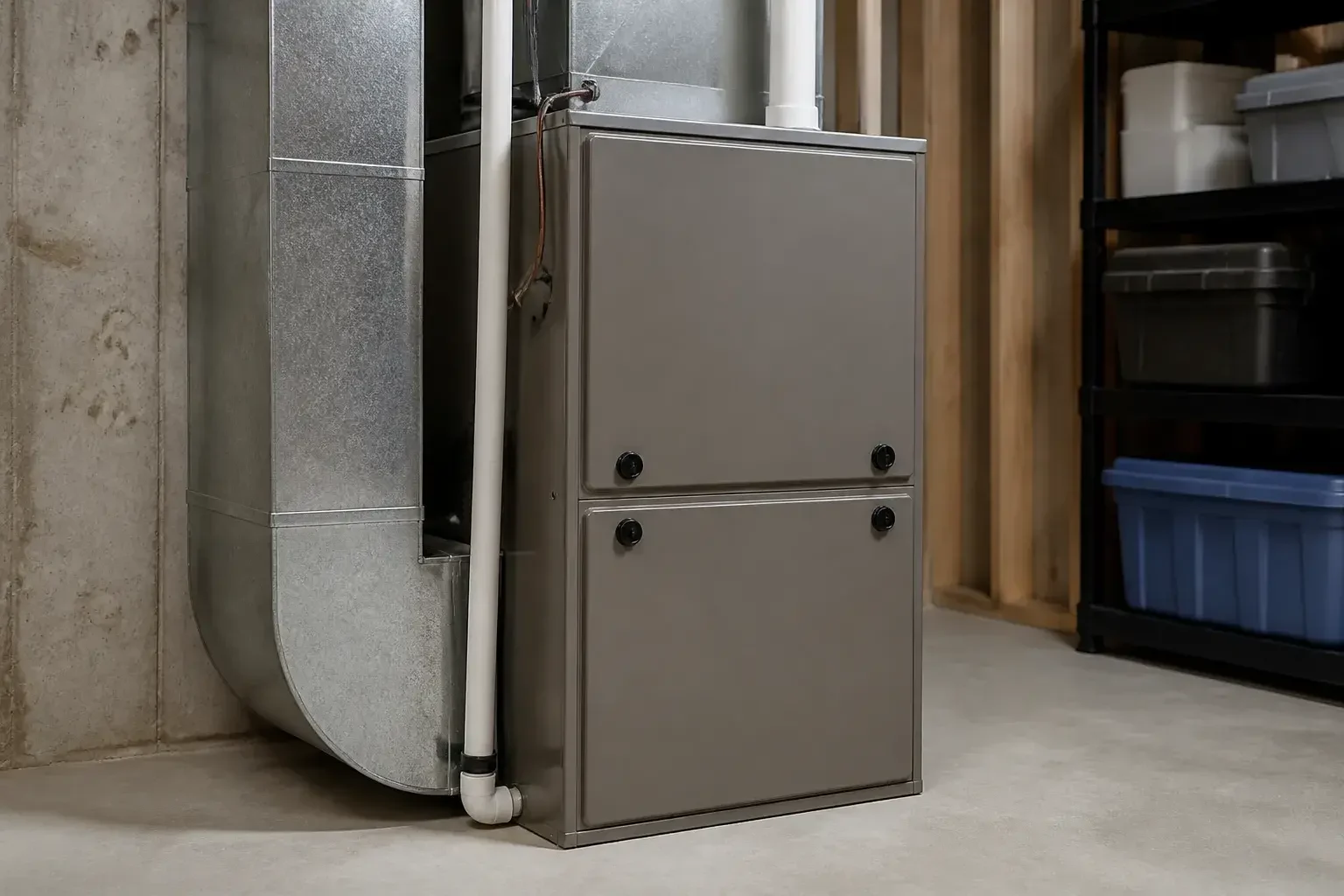
Furnace Repair in Longmont, CO
Cold rooms and rising bills can signal a furnace problem that needs prompt attention.
If your furnace is blowing cool air, cycling on and off, or leaving rooms colder than they should be, something is not working the way it should. A heating problem can show up slowly or all at once, but the result is the same: you want the heat back on and you want to know what is causing the issue.
Start with a simple check, then call Pine Hollow HVAC when the problem points to the furnace itself. We help homeowners in Longmont and nearby Boulder County areas figure out what is failing, what can be repaired, and what needs attention before the issue spreads to other parts of the system.
Warning signs
A furnace rarely quits without leaving clues first. Some signs are obvious, while others are easy to miss until the house starts feeling uneven or the system works harder than it should.
- Weak airflow: If air from the vents feels noticeably lighter than usual, the blower, filter, or another internal part may need attention.
- No heat: If the system runs but never produces warm air, the problem may be in ignition, fuel delivery, or a control component.
- Short cycling: If the furnace starts and stops repeatedly, it is wasting energy and may be reacting to a faulty part or airflow issue.
- Strange sounds: Rattling, banging, scraping, or squealing should not be ignored because they often point to a mechanical problem.
- Uneven rooms: When some areas warm up and others stay cold, the furnace may not be moving air the way it should.
- Unusual smells: A burning odor, dusty smell that does not fade, or a strong fuel odor needs prompt attention.
If you notice more than one of these symptoms, the problem is likely more than a dirty filter. A careful furnace repair visit can narrow it down before a small issue becomes a larger one.
Common causes
Furnace trouble can start with a small part and spread into larger performance problems. Knowing the likely cause helps you explain what you are seeing and helps us troubleshoot faster.
- Ignition trouble: If the furnace is trying to start but cannot light properly, the igniter, flame sensor, or related control may be involved.
- Airflow restriction: A clogged filter, blocked return, or blower issue can limit heat movement and make the furnace work harder.
- Thermostat problems: If the thermostat is not sending the right signal, the furnace may not respond the way it should.
- Mechanical wear: Motors, belts, bearings, and other moving parts can wear down over time and begin making noise or losing performance.
- Safety shutdowns: Furnaces are designed to stop when something is not right, so repeated shutdowns usually mean a part or setting needs correction.
Pine Hollow HVAC looks at the furnace as a whole, not just the symptom you can see. That matters because a noisy blower, for example, may be caused by an airflow restriction somewhere else in the system.
Repair process
When we come out for furnace repair, the goal is to find the real cause, explain what it means, and fix what is needed without turning the visit into a guessing game.
1. Listen to the symptoms
We start with what you noticed at home. A furnace that will not start, one that cycles too often, or one that makes a new sound each tells us something different.
2. Check the system behavior
We look at how the furnace is operating from start to finish. That includes startup, airflow, heat output, and shutdown behavior.
3. Isolate the problem
Once we narrow down the issue, we focus on the specific component or condition causing it. That may be a control issue, a blocked air path, a worn part, or a sensor problem.
4. Complete the repair
We make the needed repair and confirm the furnace is operating as it should before wrapping up the visit.
This approach helps avoid quick fixes that only mask the symptom for a short time. It also gives you a clearer picture of what was wrong and what to watch for later.
What we repair
Furnace problems can show up in several different ways, and the repair depends on what is actually failing. Some fixes are straightforward, while others require careful troubleshooting to avoid repeat issues.
- Ignition components: We address starting problems that prevent the furnace from lighting reliably.
- Airflow-related issues: We handle problems that keep heated air from moving through the home correctly.
- Control concerns: We look at thermostat communication and furnace control behavior when the system is not responding properly.
- Noisy operation: We track down sounds that suggest worn or loose parts inside the furnace.
- Repeated shutdowns: We investigate why the system keeps stopping before it finishes a heating cycle.
The right repair depends on what the furnace is doing, not just how it feels from the thermostat side. That is why a symptom-focused approach is so important.
Before you call
A few quick checks can help you describe the problem more clearly and sometimes rule out an easy fix. These steps do not replace repair, but they can save time once we arrive.
- Thermostat setting: Make sure the thermostat is set to heat and the temperature is set above the current room temperature.
- Filter condition: Look at the air filter and replace it if it is visibly dirty or blocked.
- Vents and returns: Confirm that supply vents and return openings are not covered by furniture, rugs, or stored items.
- Breaker position: Check whether the furnace breaker has tripped, since power loss can stop the system completely.
- Noise timing: Notice when the sound starts, because a noise at startup often points to a different issue than a noise during the heating cycle.
If the furnace still does not respond normally after these checks, it is time to have it looked at. The sooner we identify the cause, the less likely it is to create wider comfort problems in the home.
Why repairs matter
A furnace that is struggling often uses more energy, heats less consistently, and puts extra stress on other parts of the system. That can turn one repair into several if the issue is ignored.
Timely repair can help with:
- Comfort: You get steadier heat and fewer cold spots.
- Reliability: The furnace is less likely to keep failing at startup or during operation.
- Noise reduction: Worn parts and airflow problems often become louder over time.
- Cleaner operation: A furnace that runs the way it should is less likely to spread dust and debris through the home.
For homeowners in Longmont, small heating problems are worth taking seriously because the furnace often gives warning signs before it stops working altogether.
Service areas
Pine Hollow HVAC provides furnace repair for homes in Longmont and nearby communities throughout Boulder County, including Boulder, Niwot, and Firestone. Whether your furnace is making noise, not producing enough heat, or shutting off too soon, we can help determine what is going on and what repair makes sense.
If you are comparing symptoms or trying to decide whether the issue is the thermostat, airflow, or the furnace itself, we can help sort it out and move toward a clear fix.
Common questions
Why is my furnace running but not heating?
A furnace can run without producing heat if ignition, airflow, or control components are not working correctly. The blower may still move air even though the heat source is not operating as it should.
Why does my furnace keep turning on and off?
Short cycling can happen when the furnace is overheating, sensing a fault, or responding to a restriction in airflow. It is a sign that something in the system needs attention.
What does a loud furnace usually mean?
Loud sounds often point to loose parts, worn components, blower problems, or airflow restrictions. The type of noise can help narrow down the cause.
Can a dirty filter cause furnace problems?
Yes. A dirty filter can restrict airflow, strain the blower, and contribute to shutdowns or weak heating. It is one of the first things worth checking.
Why do some rooms stay colder than others?
Uneven heating can come from furnace performance issues, airflow restrictions, or duct-related problems. A repair visit can help determine whether the furnace is moving air properly.
How do I know if the furnace needs repair or replacement?
If the problem is limited to one part or one behavior, repair may be enough. If the furnace has repeated failures or multiple issues at once, it may need a more detailed evaluation to see what makes the most sense next.
Get help now
When a furnace stops heating the way it should, the safest next step is to have it checked by a company that works on the problem every day. Pine Hollow HVAC repairs furnaces for homeowners who want a clear answer and a careful fix, not a guess.
If your heat is uneven, weak, noisy, or completely out of step with the thermostat, we can help restore normal operation and explain what was causing the trouble.
How We Work
A Clear HVAC Process From Start to Finish
Every project begins with a careful look at your system and a simple explanation of what it needs.
Check the System
We inspect the equipment, airflow, and problem areas before recommending a solution.
Explain Your Options
You get a clear overview of the repair, replacement, or maintenance choices available.
Complete the Work
We finish the job carefully and leave your home tidy.
FAQ
Common HVAC Questions
If you have questions about your heating or cooling system, send us a message and we will help you sort through the options.
How do I know if my furnace needs repair or replacement?
An inspection is the best place to start. We look at the condition of the system and explain which option makes more sense.
When is the right time to replace an AC unit?
If your air conditioner is struggling, aging, or no longer cooling well, replacement may be worth discussing. We can help you compare the options.
Are heat pumps a good fit for my home?
Heat pumps can be a strong option for many homes that want efficient heating and cooling in one system. We can help you see if that setup fits your needs.
How often should duct cleaning be done?
That depends on the home, the system, and what you are noticing in the airflow. If dust or buildup is affecting comfort, it may be time to take a look.
Do you service homes outside Longmont?
Yes, we serve Longmont and nearby Boulder County communities including Boulder, Niwot, and Firestone.
Get started
Talk With a Local HVAC Team
Tell us what is going on with your heating or cooling system, and we will help you choose the right next step.